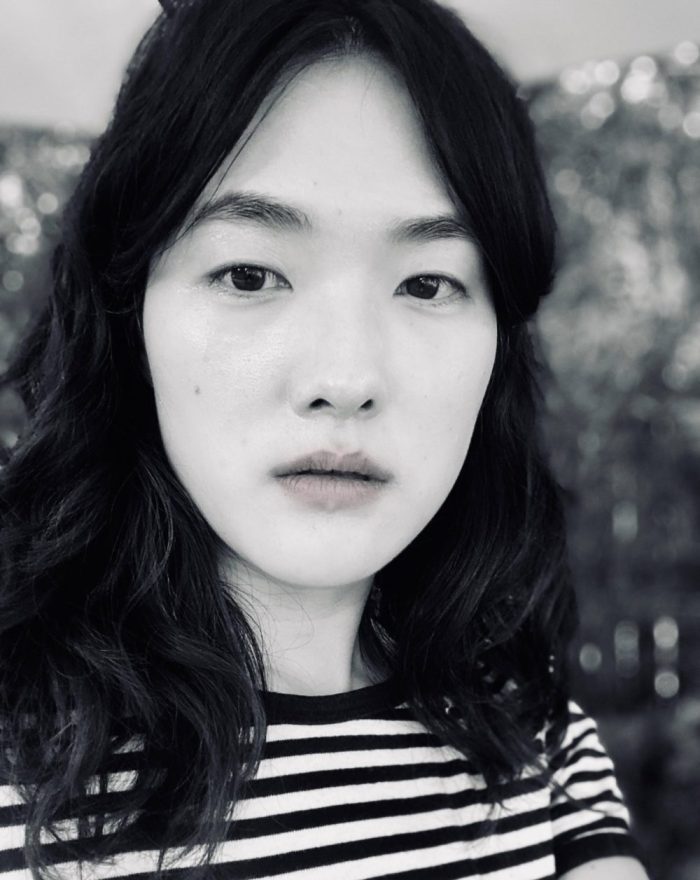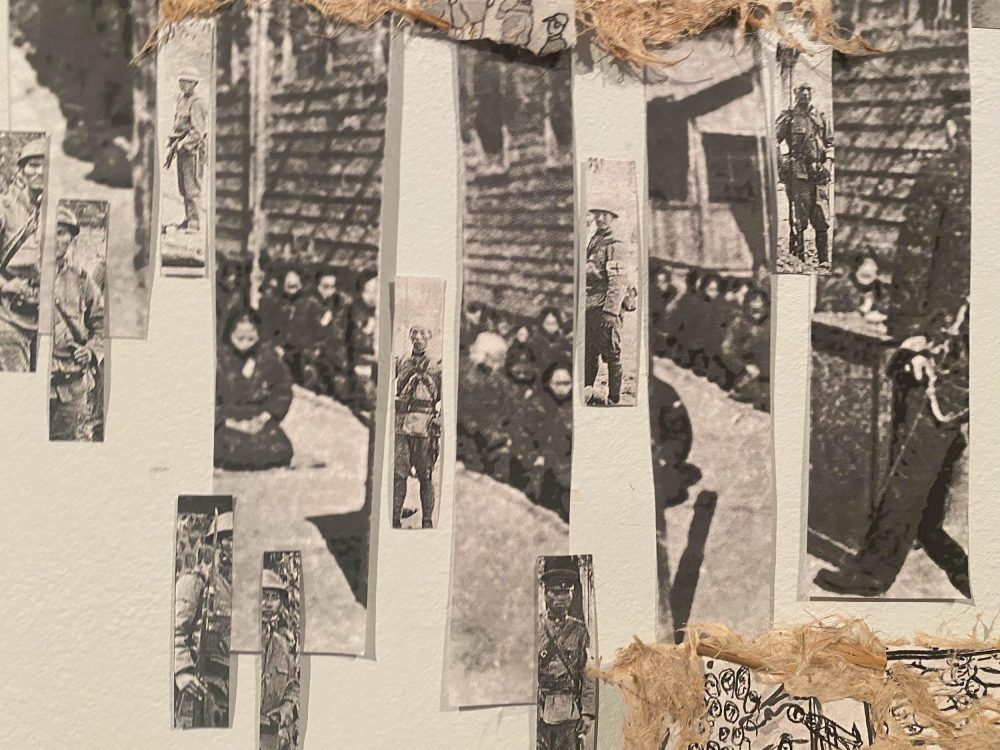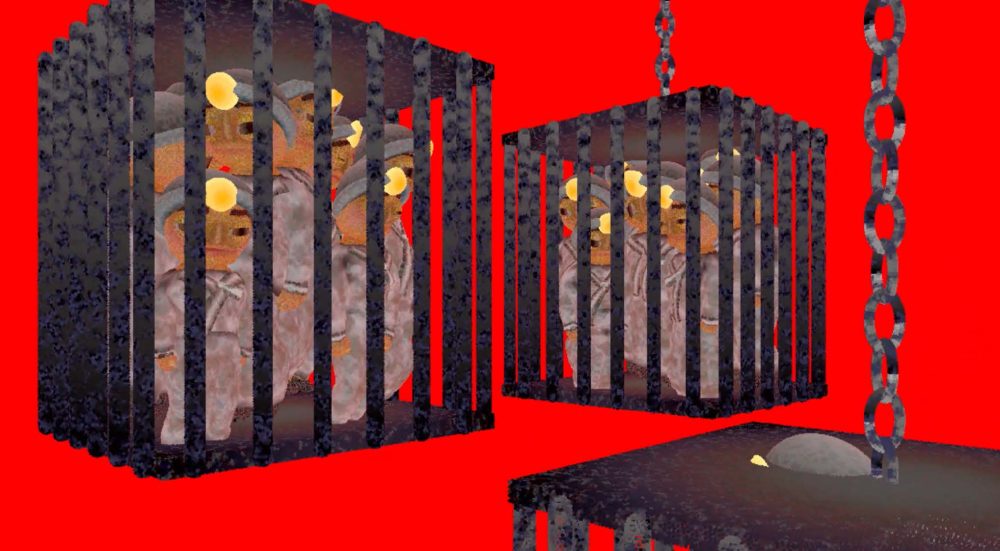

Bomi Yook is a media artist based in Moh’kinstsis / Calgary, working with immersive media, experimental animation, and installation. Her work explores hybridity within identity, cultural landscapes, and knowledge systems, often drawing on the collective memory of the Korean diaspora, with its complex ties to immigration and colonization. Navigating the nuances of belonging to multiple cultural frameworks, Yook’s practice reflects on the paradoxical nature of identity, emphasizing its instability and intersubjectivity.
Exploring the ecologies of Trace—of the Other and Otherness within the self—her works reveal identity and ideologies as inter-constitutive, seeing the world as a paradoxical blend of contexts rather than
distinct, isolated definitions. Through her experimental, interdisciplinary, and process-based approaches to cultural and historical inquiries, Yook’s practice confronts the violence and paradox inherent within identity formation, and its neverending pursuit for self-certainty.
Yook holds an MFA from UCLA and a BFA from Alberta University of the Arts. Her work has shown internationally, including in Los Angeles, Seoul, Toronto, Montreal, Santa Fe, Greece, and Calgary. Her projects have been supported by the Canada Council for the Arts, Alberta Foundation for the Arts, and Calgary Arts Development. In her ongoing research on Japanese colonization and intergenerational memory, Yook has collaborated with prominent museums, archives, and activist groups, including the War and Women’s Human Rights Museum, Justice Memory Solidarity Foundation, National Museum of Forced Mobilization History, National Foundation for Victims of Forced Mobilization, and the Civic Museum of Japanese Colonial History.